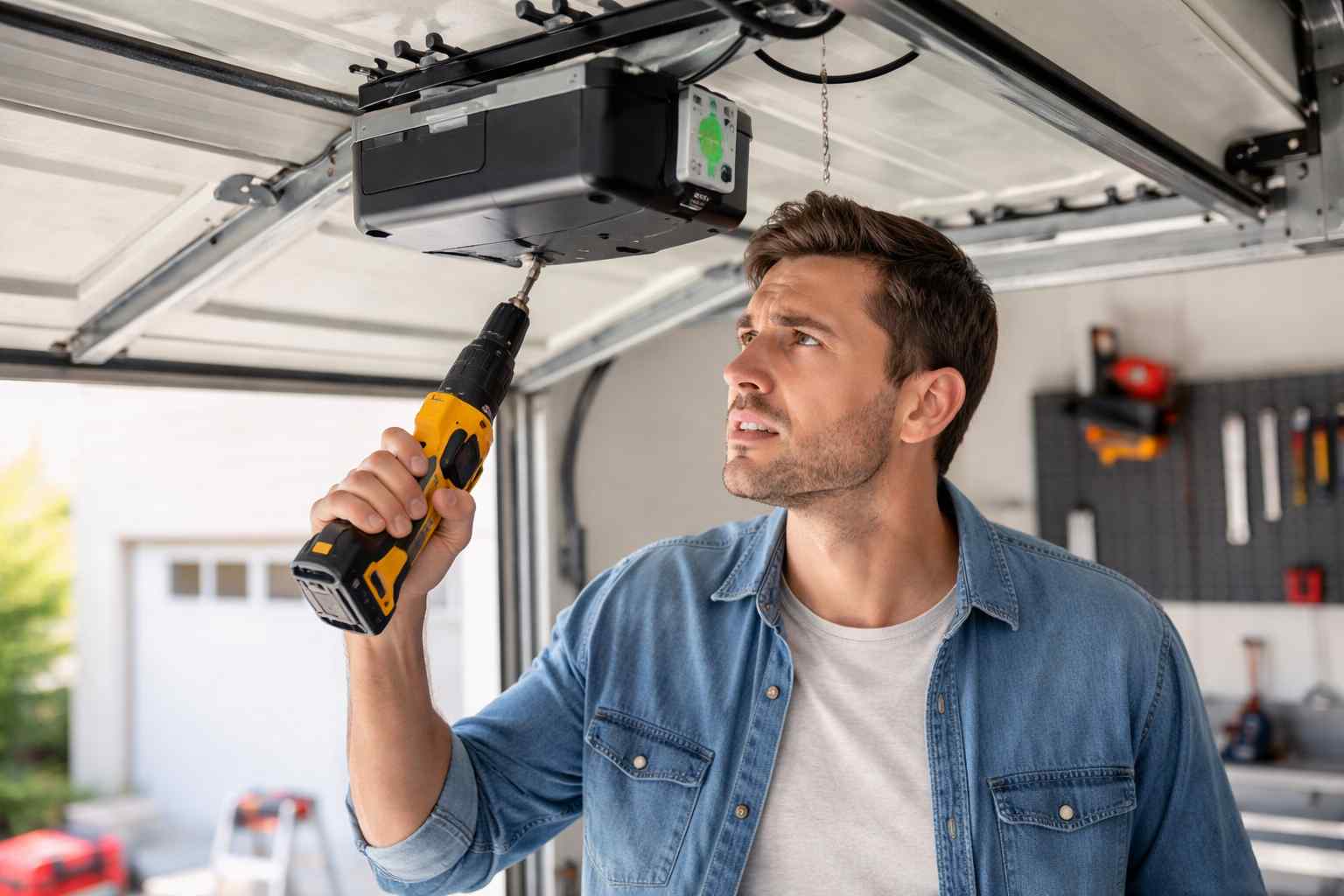
Most Common Reasons Why Your Garage Door Won’t Open or Close
A garage door that refuses to open or close can quickly disrupt your day. Whether you are leaving for work, returning home, or trying to secure your property, a malfunctioning garage door creates inconvenience and safety concerns. While some problems have simple solutions, others require professional attention to prevent further damage or injury.
At Sobrino Garage Door LLC, we regularly help homeowners diagnose and repair garage door issues. Based on our experience, misaligned sensors, broken springs, damaged cables, worn tracks, and garage door opener problems are among the most common reasons garage doors stop working properly. Many homeowners assume the opener is failing when the actual problem is a damaged spring, blocked sensor, or worn component that has gone unnoticed.
This guide explains the most common causes of garage door failure, how to identify warning signs, and what steps you can take to restore safe and reliable operation.
Why Won’t Your Garage Door Open or Close?
A garage door can stop opening or closing for many reasons. Some issues are minor and can be resolved with simple troubleshooting, while others involve damaged components that require professional garage door repair. Problems with safety sensors, garage door springs, opener systems, tracks, cables, and power sources are among the most common causes of garage door failure.
Understanding what is preventing your garage door from operating properly can help you identify the issue faster and avoid unnecessary damage. In many cases, recognizing warning signs early can save time, reduce repair costs, and improve the safety of your garage door system.
Below are the most common reasons why a garage door won’t open or close and what homeowners should know about each problem.
1. Misaligned or Blocked Safety Sensors
Modern garage doors use safety sensors to detect objects in the door’s path. If the sensors become dirty, blocked, or misaligned, the garage door may refuse to close or reverse immediately after touching the ground.
Common Signs
- Garage door starts closing and then reverses
- Sensor lights are blinking
- Door only closes when holding the wall button
What You Can Do
- Remove any objects blocking the sensors
- Clean the sensor lenses with a soft cloth
- Ensure both sensors are facing each other properly
Sensor problems are one of the most common reasons a garage door won’t close.
2. Garage Door Opener Problems
The garage door opener acts as the control center of the system. When the opener develops electrical or mechanical issues, the door may stop responding completely.
Warning Signs
- Remote control does not work
- Opener makes noise but the door does not move
- No response when pressing the wall button
Troubleshooting Tips
- Replace remote batteries
- Check the power source
- Inspect the circuit breaker
- Test the wall-mounted control panel
If these steps do not solve the problem, professional garage door opener repair may be needed.
3. Broken Garage Door Springs
Garage door springs help counterbalance the weight of the door and make lifting possible. When a spring breaks, the door can become extremely heavy or stop opening altogether.
Signs of a Broken Spring
- Loud snapping or popping sound
- Garage door only opens a few inches
- Door feels unusually heavy
- Visible gap in the spring
Safety Warning
Never attempt to repair or replace a garage door spring yourself. Springs are under high tension and can cause serious injuries if handled incorrectly.
Professional garage door spring replacement is the safest option.
4. Damaged or Dirty Garage Door Tracks
Tracks guide the door during opening and closing cycles. Dirt buildup, dents, or bent sections can interfere with smooth movement.
Common Symptoms
- Grinding or scraping noises
- Door gets stuck halfway
- Uneven movement
- Visible track damage
Routine garage door maintenance can help prevent track-related issues.
5. Worn or Broken Garage Door Cables
Garage door cables work together with springs to safely raise and lower the door. Over time, cables can fray, loosen, or break.
Warning Signs
- Frayed cable strands
- Crooked door movement
- Door slamming shut unexpectedly
- Loose cables hanging from the system
Garage door cable repair should always be performed by trained technicians.
6. Dead Remote Batteries or Programming Issues
Sometimes the garage door system is working correctly, but the remote control is not communicating with the opener.
Quick Fixes
- Replace batteries
- Reprogram the remote
- Check for signal interference
- Test the wall-mounted control panel
This simple issue is often mistaken for a larger garage door opener problem.
7. Lack of Regular Garage Door Maintenance
Many garage door failures occur because routine maintenance has been neglected.
Homeowners should regularly:
- Lubricate moving parts
- Tighten loose hardware
- Inspect rollers and hinges
- Check springs and cables
- Test safety features
Preventive garage door maintenance extends the life of your system and helps avoid unexpected repairs.
8. Extreme Weather Conditions
Temperature changes can affect garage door performance throughout the year.
Weather-Related Problems
- Metal components expand and contract
- Lubricants thicken during cold weather
- Moisture causes rust and corrosion
- Sensors become less reliable
Seasonal inspections can help identify issues before they affect operation.
9. Motor or Gear Failure
If you hear the opener running but the door does not move, worn gears or motor components may be the cause.
Signs of Motor Problems
- Slow door movement
- Unusual grinding noises
- Intermittent operation
- Opener runs but door stays in place
Professional garage door repair services can determine whether the motor needs repair or replacement.
10. Accidentally Engaged Manual Lock
One of the simplest yet most overlooked issues is a manually locked garage door.
Quick Inspection
Check for:
- Manual lock bars
- Side locking mechanisms
- Emergency release settings
Many homeowners discover their problem is resolved with a simple unlock.
What Should You Do If Your Garage Door Won’t Open or Close?
If your garage door stops working, start with a few basic troubleshooting steps before scheduling a repair. First, check whether the opener has power and confirm that the remote control batteries are working. Next, inspect the safety sensors near the bottom of the door to ensure they are clean and properly aligned.
You should also look for obvious signs of damage, such as broken springs, loose cables, bent tracks, or unusual noises during operation. If the garage door is stuck halfway, opens unevenly, or feels unusually heavy, stop using it immediately to avoid further damage or injury.
While some minor issues can be resolved with simple adjustments, repairs involving springs, cables, motors, or tracks should always be handled by trained professionals. A professional garage door inspection can quickly identify the root cause and restore safe operation.
The sooner you address a garage door problem, the less likely it is to turn into a more expensive repair.
Prevent Future Garage Door Problems
The best way to avoid unexpected garage door issues is through regular inspections and maintenance. A well-maintained garage door operates more safely, lasts longer, and helps protect your home.
Consider scheduling annual professional inspections to identify worn components before they fail. Regular maintenance can help prevent costly repairs and improve the overall performance of your garage door system.
Garage Door Maintenance Checklist
Regular maintenance can help prevent many of the problems that cause garage doors to stop opening or closing properly. Following a simple maintenance routine can improve safety, extend the life of your garage door system, and reduce the likelihood of unexpected repairs.
Monthly Maintenance Tasks
- Test the garage door opener and remote controls
- Check the safety sensors to ensure they are clean and properly aligned
- Inspect weather seals for cracks or damage
- Listen for unusual noises during operation
- Verify that the door opens and closes smoothly
Every Six Months
- Lubricate rollers, hinges, springs, and other moving parts
- Tighten loose bolts, brackets, and hardware
- Inspect tracks for dirt, debris, or signs of damage
- Check cables for fraying or wear
- Test the garage door balance by disconnecting the opener and manually lifting the door
Annual Maintenance
- Schedule a professional garage door inspection
- Have springs, cables, rollers, and opener components evaluated
- Replace worn parts before they fail
- Ensure all safety features are functioning correctly
A few minutes of preventive garage door maintenance can help homeowners avoid costly repairs and keep their garage door operating safely and efficiently throughout the year.
When Should You Call a Professional Garage Door Repair Company?
While homeowners can perform basic troubleshooting, certain repairs should always be left to trained technicians.
Contact a professional if you notice:
- Broken springs
- Damaged cables
- Bent tracks
- Door off its tracks
- Motor failure
- Recurring garage door opener problems
- Door stuck halfway open or closed
Attempting these repairs without proper tools and experience can create serious safety risks.
Need Expert Garage Door Repair?
If your garage door won’t open or close properly, don’t wait for the problem to become worse. The experienced team at Sobrino Garage Door LLC can quickly diagnose the issue and recommend the right solution.
We provide:
- Garage Door Repair
- Garage Door Installation
- Garage Door Spring Replacement
- Garage Door Opener Repair
- Emergency Garage Door Repair
- Residential Garage Door Services
- Commercial Garage Door Services
- Garage Door Maintenance
Our technicians are committed to keeping your garage door safe, reliable, and operating smoothly throughout the year.
Frequently Asked Questions
Q1: Why does my garage door open but not close?
This is often caused by misaligned or blocked safety sensors. The sensors prevent the door from closing when they detect an obstruction or lose alignment.
Q2: Can a dead remote battery stop my garage door from opening?
Yes. Weak or dead batteries can prevent the remote from communicating with the opener. Replacing the batteries is often a quick fix.
Q3: How do I know if my garage door spring is broken?
Common signs include a loud snapping sound, a heavy door, a visible gap in the spring, or a door that only opens a few inches.
Q4: Why is my garage door stuck halfway?
A garage door may get stuck due to damaged tracks, broken springs, worn cables, or an obstruction in the system.
Q5: How often should garage doors be serviced?
Most professionals recommend a garage door inspection and maintenance service at least once a year.
Q6: Should I repair a garage door spring myself?
No. Garage door springs are under high tension and can cause serious injury. Spring repairs should always be performed by trained professionals.
Sobrino Garage Door
Sobrino Garage Door LLC is a trusted provider of professional garage door services, specializing in installation, repair, and maintenance for residential and commercial properties. With a commitment to quality workmanship and customer satisfaction, the team delivers reliable, efficient, and affordable solutions tailored to every client’s needs. From emergency repairs to modern garage door upgrades, Sobrino Garage Door LLC combines industry expertise with top-tier products to ensure long-lasting performance and security. Their dedication to excellence has made them a go-to choice for dependable garage door services.